
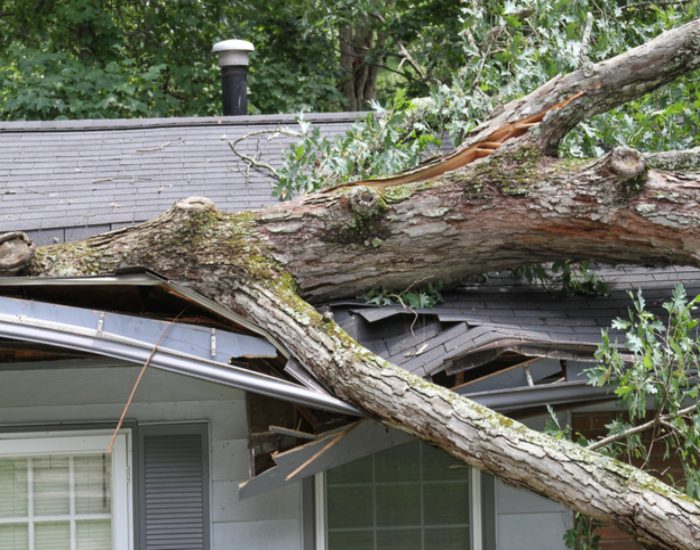
The Importance of Catching Roof Damage Early
You might not always see a leak dripping from your ceiling after a storm. Some types of roof storm damage are easy to miss, especially right after severe weather. By checking a few key warning signs, you can determine whether you need a professional roof inspection, repairs, or even a full roof replacement.
Missing, Cracked, or Lifted Shingles After a Storm
High winds usually go after the edges and corners of your roof first. If you see missing shingles, the underlayment is left open to moisture. Cracked or lifted shingles give water an easy way in. Even a single damaged spot can shorten the life of your whole roof, so it’s important to get repairs done quickly after a big storm.
Hail Damage to Roofing Materials
Hail can leave dents, cracks, or bruises in your roof that are hard to spot from the ground. Even if everything looks okay, hail can weaken shingles, metal, and vents. A professional inspection can find these hidden problems before they cause leaks or bigger issues.
The Signs of Hidden Roof Storm Damage
Some of the most serious problems show up inside the home rather than on the roof itself. Keep an eye on changes that appear shortly after severe weather, especially if your area experienced strong winds or hail. Some hidden signs include:
- Water Stains on Ceilings – Discolored spots often indicate moisture entering through damaged roofing materials.
- Peeling Paint or Bubbling Drywall – Excess moisture can cause interior finishes to separate from underlying surfaces.
- Musty Odors in the Attic – Persistent damp smells may point to trapped moisture and developing mold growth.
- Visible Daylight in the Attic – Gaps that allow sunlight through can also allow water and pests inside.
- Sudden Increase in Humidity – Unexplained indoor moisture may be linked to storm-related roof leaks.
Damaged Flashing, Roof Penetrations, and Chimneys
Storms often hit the spots where your roof meets chimneys, vents, skylights, or pipes. If you notice bent flashing, loose sealant, or cracked masonry, water can sneak past your roofing and cause leaks. These areas need extra attention during any roof inspection because they are common trouble spots for leaks.
Sagging Roof Sections and Structural Concerns
A roof should maintain a consistent, even profile. Low spots, dips, or sagging sections may signal trapped moisture, weakened decking, or structural deterioration caused by prolonged exposure to water. When these conditions occur, homeowners should seek immediate storm damage roofing repairs to prevent further strain on the structure.
Gutter Damage and Debris Accumulation
Your gutters can tell you a lot about roof damage after a storm. Look for loose or dented sections, piles of granules, or lots of debris. Since gutters move water away from your home, damaged gutters can make roof problems worse and may mean you need immediate repairs.
Get a Free Roof Storm Damage Repair Estimate Today
Putting off roof repairs almost never saves money. Acting quickly can stop leaks, protect your home’s structure, and help you avoid bigger repair bills down the road. Home Exteriors has been helping homeowners for over 40 years as a family-owned and operated exterior specialist. Call us today to get a free roof repair estimate today.